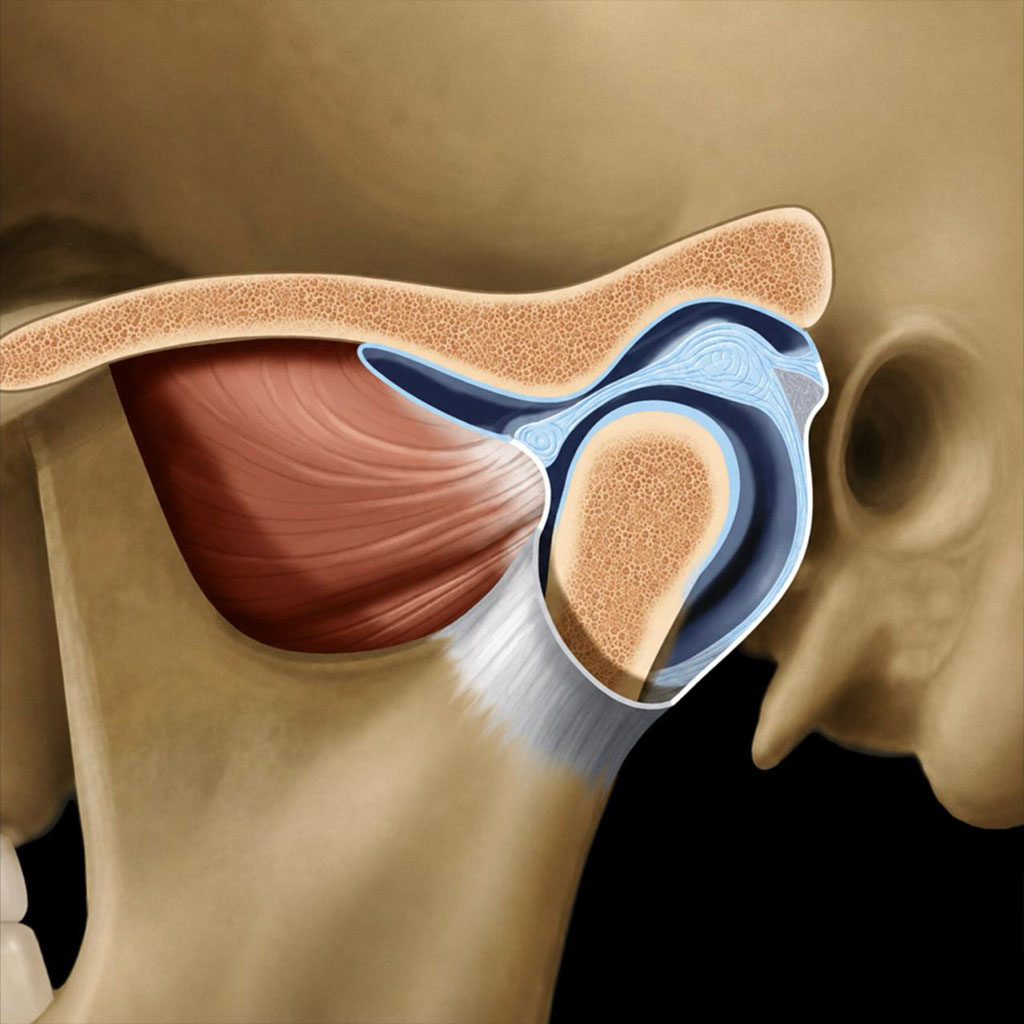
What is the TMJ and why does it hurt?
The temporomandibular joint (TMJ) acts like a sliding hinge connecting your jaw to your skull. You have two joints, one on each side of your face in front of your ears. It is one of the most complex joint systems in the body, enabling upward, downward, side-to-side, and forward-to-back movements.
Temporomandibular joint disorders (TMJ disorders) can cause severe pain not only in the jaw, but also in the neck, shoulders, and head. Patients often visit multiple specialists without a definitive diagnosis because symptoms can be misleading.
Symptoms and Warning Signs
Timely identification of a TMJ problem is crucial to prevent irreversible joint wear. The most common warning signs include:
- Facial or jaw pain: Sensation of heaviness, fatigue, or sharp pain upon waking or after eating.
- Clicking or popping: Joint sounds accompanied by pain or restricted motion when opening the mouth.
- Jaw locking: Inability to open the mouth completely or having the jaw get stuck in an open position.
- Bruxism: Involuntary teeth grinding or clenching, especially during sleep.
- Earaches and headaches: Constant pain resembling migraines or stuffed ear sensations without infection.
Not all clicking sounds are dangerous
It is important to note that clicking or popping sounds in the jaw are common in a large percentage of the population. If the sound is not accompanied by pain, discomfort, or movement restriction, it generally does not require surgical intervention. However, a preventive evaluation is always recommended.
Treatment Options
Treatment for TMJ disorders follows a conservative approach, starting with non-invasive options and reserving surgery for severe cases:
1. Conservative Therapies
Includes rigid occlusal splints or night guards, muscle relaxants, specialized physical therapy, hot/cold therapy, and a soft food diet to rest the joint. In many cases, botulinum toxin (Botox) in masticatory muscles provides significant relief.
2. Minimally Invasive Treatments
Such as Arthrocentesis (joint lavage), where small needles irrigate fluid to flush out inflammation, or Arthroscopy, inserting a micro-camera to directly inspect and treat internal articular disc damage.
3. Open TMJ Surgery
Reserved for cases with joint ankylosis (fusion), tumors, or structural damage severe enough to require total custom titanium joint replacement.
You do not have to live with chronic pain. If you experience persistent joint or facial muscle pain, we invite you to schedule a consultation where we will analyze your case and chart the best path forward.