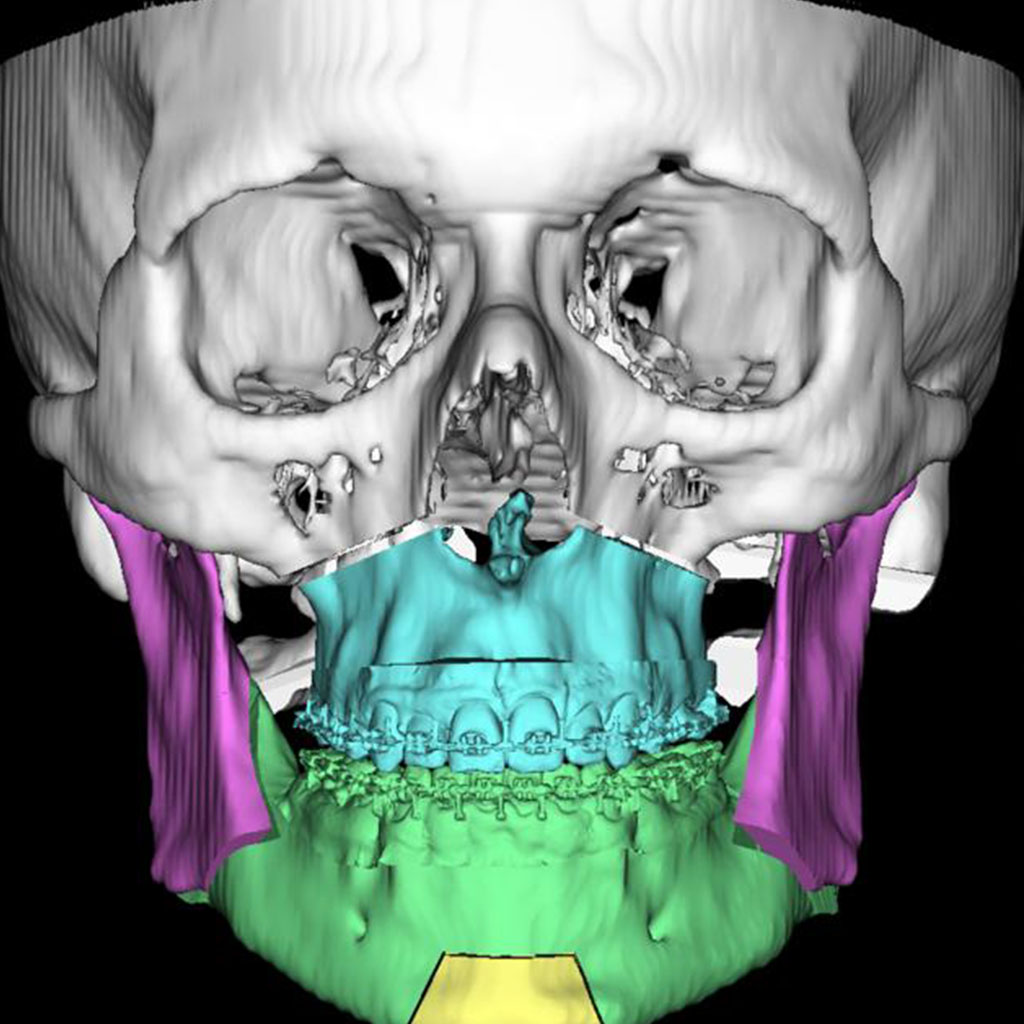
Understanding Orthognathic Surgery
The word "orthognathic" comes from the Greek "orthos" (straight) and "gnathos" (jaw). Therefore, orthognathic surgery is a specialized surgical procedure aimed at straightening or realigning the jaw and upper maxilla.
Unlike traditional orthodontics, which focuses exclusively on moving teeth into alignment, orthognathic surgery repositions underlying jaw bones. This procedure is performed when structural discrepancies between the maxilla and lower jaw are too severe for braces or aligners alone.
How do you know if you need orthognathic surgery?
Patients often visit the maxillofacial surgeon upon referral from their orthodontist. However, key clinical signs and symptoms indicating candidate eligibility include:
- Chronic difficulty chewing or biting: Food cannot be processed properly because teeth do not meet correctly.
- Swallowing and speech issues: Difficulty swallowing properly or pronouncing certain speech sounds.
- Joint pain: Chronic discomfort in the temporomandibular joint (TMJ) or frequent tension headaches.
- Excessive tooth wear: Teeth deteriorate rapidly due to improper functional friction.
- Breathing problems: Obstructive sleep apnea or chronic mouth breathing caused by narrowed airways.
- Visible facial asymmetry: A recessed chin (retrognathia), protruding chin (prognathism), or lateral jaw deviation.
Teamwork: Orthodontist and Maxillofacial Surgeon
Orthognathic surgery is never an isolated procedure. It requires close coordination between your orthodontist and your maxillofacial surgeon. The typical process involves pre-surgical orthodontics (to align teeth on bone bases), surgery (to align jaw bones), and post-surgical orthodontics (to fine-tune the bite).
Benefits Beyond Aesthetics
While orthognathic surgery yields positive and harmonious facial changes — dramatically improving facial profile and symmetry —, the primary benefits are functional.
Patients frequently report being able to chew comfortably, sleeping soundly without snoring, and experiencing total relief from chronic headaches. It is a life-transforming procedure.
If you experience any of these symptoms or your orthodontist suggested a surgical evaluation, schedule a consultation to analyze your 3D imaging and build a custom treatment plan.